Summary:
After a Long Island winter, your home has been through it. Nor’easters, hard freezes, salt air off the Sound — none of that is gentle on a house. The problem is that a lot of the damage doesn’t announce itself. It hides in flashing seams, behind siding, under gutters clogged with debris, and in hairline cracks along your foundation that look harmless until the spring rains arrive. This spring checklist is designed to help you find those issues before they find your wallet. We’ll walk through what to look at, what to look for, and when it makes sense to call someone instead of handling it yourself.
Complete Spring Home Maintenance Checklist for Suffolk County
The best time to do a thorough walkthrough of your home is late March to early April — after the last hard frost but before the spring storm season ramps up. That window gives you time to actually address what you find, rather than scrambling mid-May when every contractor across Suffolk County is already booked out weeks.
Start from the top and work your way down. Roof first, then gutters and drainage, then siding and windows, then foundation and concrete, then inside. It sounds like a lot, but most of the inspection work is just knowing what to look for. The repairs — if you find them — are where things get more involved.
Yard Cleaning Checklist: What to Tackle Outside First
Before you get into the structural stuff, the yard needs attention — and not just for curb appeal. In Suffolk County, spring yard cleanup is also about reducing tick habitat. The county has some of the highest Lyme disease rates in New York State, and leaf litter, brush piles, and dead wood along your property line are exactly the kind of environment ticks thrive in. Clearing that debris isn’t just tidying up; it’s a genuine health consideration.
Start by raking out any matted leaves and dead grass that didn’t get cleaned up before winter. Pay attention to the edges of your lawn where it meets garden beds or fencing — debris tends to pack in there and stay wet, which creates problems for both the lawn and anything it’s sitting against. Pull dead branches from shrubs and trees, especially anything that looks like it may have cracked under snow load. Dead wood that’s still hanging is a liability before summer thunderstorms arrive.
Once the debris is cleared, take a look at your hardscapes — driveway, walkways, patio, steps. Long Island’s sandy soil shifts more than people expect, and freeze-thaw cycles accelerate that movement. If you see heaving, cracking, or sections that have settled unevenly, flag those for repair before they become a trip hazard or a water intrusion point near the foundation.
One timing note specific to Suffolk County: county regulations prohibit fertilizer application from November 1 through April 1. So hold off on lawn treatments until after that date, and make sure soil temperature is above 40°F before you put anything down. Applying fertilizer too early on cold, saturated soil doesn’t help the lawn — it just runs off into the groundwater.
Spring Yard Cleanup Checklist: Gardens, Beds, and Drainage
Once the big debris is cleared, shift focus to your garden beds and drainage. Start by cutting back any ornamental grasses or perennials you left standing through winter — they’ve done their job and now they’re just blocking new growth. Edge your beds cleanly, then apply two to three inches of fresh mulch. Proper mulching can reduce your garden’s water needs by up to 50% by slowing evaporation, and it keeps weed pressure down through the summer. Just don’t pile it against plant stems or up against your foundation — that traps moisture and invites rot.
Check your downspouts and the grading around your home’s perimeter. Suffolk County gets about 47 inches of rain per year — significantly more than the national average — and your drainage system has to handle all of it. Downspouts should extend at least four to six feet from the foundation and discharge onto ground that slopes away from the house. If water is pooling near your foundation after rain, that’s not just a landscaping problem. Over time, it’s a foundation problem.
If you have an irrigation system, spring is when you bring it back online. Walk each zone and check for heads that were damaged by frost heave or lawn equipment. A broken irrigation head can waste hundreds of gallons before you notice it, and it can also create soggy patches that stress your lawn and attract pests. While you’re at it, check outdoor faucets for drips — a slow leak that freezes inside a wall can cause significant damage, and spring is when those leaks often reveal themselves for the first time.
Many Suffolk County homes also rely on cesspools rather than municipal sewer connections. Spring rain saturates the soil and puts real stress on these systems. If yours hasn’t been inspected recently, add it to the list. It’s not glamorous, but a cesspool backup is one of the more expensive surprises a homeowner can face.
Exterior Home Inspection for Spring: Roof, Siding, and Foundation
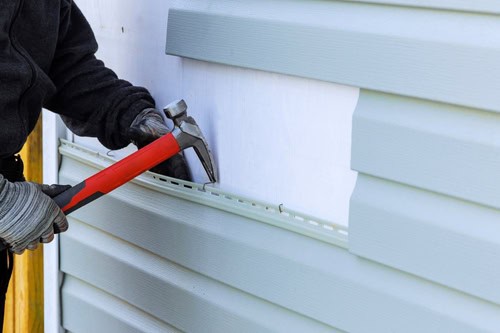
The exterior of your home took the full force of winter, and the damage isn’t always visible from the ground. This is the part of the spring checklist where you’re looking for things that could quietly get worse all summer — a loose piece of flashing, a section of siding that’s starting to separate, a foundation crack that looks minor but is letting water in.
You don’t need to get on the roof to do a useful inspection. Binoculars work well for getting a closer look at shingles and flashing from the ground. What you’re looking for: missing or curled shingles, dark streaking that indicates moisture, granule buildup in your gutters (a sign that shingles are aging out), and any flashing around chimneys, vents, or dormers that looks lifted or separated. These issues may require professional roof repair before they lead to more serious water damage.
How to Inspect Your Roof and Gutters After a Long Island Winter
Roof damage from a Long Island winter often isn’t dramatic. It’s not a tree through the attic — it’s a few shingles that got lifted by wind and let water creep under the edge, or flashing that expanded and contracted through a dozen freeze-thaw cycles until the seal broke. That kind of damage doesn’t show up as a ceiling stain right away. It shows up six months later, after a summer thunderstorm, when you’re looking at a repair that’s grown from a $400 fix into something that involves drywall, insulation, and a much larger bill.
Gutters are part of the same system and deserve equal attention. Clean them out completely — not just the visible sections, but the downspout runs too. A clog at the elbow of a downspout can back water up under the roof edge just as effectively as a clogged gutter trough. While you’re up there, check that the gutters are still properly pitched toward the downspouts and that the hangers are secure. Winter weight — ice, snow, debris — loosens gutter hardware over time.
If your home is close to the water, whether that’s the Long Island Sound on the north shore or the Atlantic-facing communities on the south shore, salt air is an added factor. Salt accelerates corrosion on metal flashing, gutter hardware, and roofing fasteners. Homes in Nassau Point, East Patchogue, or anywhere with direct coastal exposure tend to see faster wear on these components than inland properties in Huntington or Smithtown. That’s not a reason to panic — it’s just a reason to look more carefully and more often.
The inside of your attic is also worth a quick check in spring. Look for daylight coming through the roof deck, moisture staining on the sheathing, or insulation that looks compressed or damp. These are signs that something got in over the winter, and catching it now is far less costly than discovering it after a summer of mold growth.
When to Call a Professional for Spring Home Repairs
This is the question most homeowners actually want answered, and the honest answer is: it depends on the task, not just the problem. Raking, mulching, basic gutter cleaning on a single-story home, visual inspections — those are reasonable DIY tasks for most homeowners. Anything that puts you on a ladder above one story, involves structural assessment, or requires you to walk on a roof is a different category.
Roofing work is the most common area where DIY attempts create more damage than they fix. It’s not just the safety risk, though that’s real — it’s that improper repairs can void manufacturer warranties, create new leak points, and leave you in a worse position than before. If your spring inspection turns up damaged shingles, lifted flashing, or any sign of moisture intrusion, a professional assessment is the right call. The cost of a proper repair now is a fraction of what you’ll spend if that issue compounds through a summer of rain and heat.
Foundation cracks are another area where professional judgment matters. A hairline crack in poured concrete that hasn’t moved is usually cosmetic. A crack that’s wider at one end than the other, that runs diagonally from a corner, or that has any horizontal component is potentially structural and warrants a real evaluation. Don’t fill it with caulk and move on — get eyes on it from someone who knows what they’re looking at.
Research consistently shows that deferred maintenance costs homeowners three to five times more than catching and addressing issues early. A minor roof repair that runs $200 to $800 today can become a $15,000 to $50,000 problem if left alone. With Suffolk County’s median home value around $578,400, your home is likely your largest asset. Treating spring maintenance as optional is a financial risk, not just a to-do list item.
One more practical consideration: spring is when contractor schedules fill up fast across the county. Homeowners in Commack, Patchogue, and Brookhaven who call in late April tend to get better availability and scheduling flexibility than those who wait until June and find themselves competing with everyone else who ignored their checklist. If your inspection turns up issues, acting quickly gives you more options.
Start Your Spring Home Maintenance Before Summer Catches You Off Guard
The goal of a spring checklist isn’t to overwhelm you — it’s to give you a clear starting point so nothing slips through. Work through the exterior first, then the yard, then the interior systems. Take notes on anything that looks off, even if you’re not sure whether it’s serious. A photo and a note now is worth a lot more than trying to remember what you saw when you’re talking to a contractor in May.
If your inspection turns up something that needs professional attention — a roof issue, damaged siding, foundation concerns, a deck that didn’t survive the winter well — we handle all of it. We’ve been working on Suffolk County homes for over 20 years, and our work covers everything from roofing and siding to windows, concrete, and full renovations. One call covers a lot of ground.
Reach us by phone or text at 631-764-2795. We offer free estimates and we’ll give you a straight answer about what you’re actually dealing with.