Summary:
If you’ve lived in Suffolk County long enough, you already know what a serious storm can do. Sandy wasn’t a fluke — it was a reminder that Long Island’s geography puts it directly in the path of Atlantic storms, and the damage those storms leave behind is expensive, stressful, and sometimes avoidable. The problem is that most hurricane preparation advice is written for a general audience. It covers go-bags and evacuation routes, which matter, but it skips the part about your actual house. This guide focuses on what homeowners across Suffolk County specifically need to think about when storm season rolls around — starting with the structure you’re trying to protect.
Storm Preparation Checklist for Suffolk County Homeowners
Most homeowners don’t think about storm preparation until a named storm is already in the forecast. By then, contractors are booked, hardware stores are picked over, and flood insurance — which requires a 30-day waiting period — is no longer an option. The time to prepare is April through June, before the Atlantic hurricane season peaks in mid-August.
The structural checklist for a Long Island home is different from what you’d find in a generic guide. Salt air from both the Atlantic and Long Island Sound accelerates corrosion on metal flashing, gutters, and fasteners faster than it would in an inland market. Roofing materials that held through Sandy in 2012 are now more than a decade older. Windows that were sealed adequately a few years ago may have gaps that weren’t there before. These things compound quietly until a storm makes them obvious.
Hurricane Damage Prevention: What to Inspect Before Storm Season
The roof is the most critical place to start. Loose or missing shingles, failing flashing around chimneys and vents, and compromised underlayment are the most common entry points for water after a storm. You may not be able to spot these issues from the ground, which is exactly why a professional inspection before storm season matters. A contractor who knows Long Island roofing can tell you what needs addressing now versus what can wait — without pushing you toward a full replacement when a targeted repair will do the job.
After the roof, look at your windows and doors. Older frames, dried-out caulking, and worn weatherstripping all create vulnerabilities when wind-driven rain is involved. Homes on the south shore — in towns like Islip, Sayville, and Patchogue — face direct Atlantic exposure during major storms. Homes on the north shore, including Huntington, Cold Spring Harbor, and Sound Beach, are exposed to Long Island Sound surge, which can be just as damaging depending on how a storm tracks. Knowing which direction your home faces and what it’s up against changes which upgrades make the most sense.
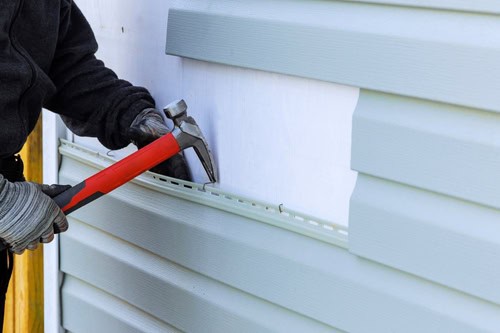
Siding deserves attention too. Gaps, cracks, or loose panels that seem minor in calm weather become serious problems when sustained winds are pushing rain horizontally against your exterior. The same goes for gutters and downspouts — blocked gutters during heavy rainfall cause water to back up under roofing materials and pool against your foundation. Cleaning them out before storm season is one of the lowest-cost, highest-impact things you can do.
Outdoor structures and equipment — sheds, furniture, grills, decorative items — need to be secured or stored before any significant storm. Unsecured objects become projectiles in high winds, and the damage they cause to windows, siding, and neighboring properties can be extensive. This is the part of storm prep most people know about, but it’s often the last thing that gets done.
Emergency Home Repairs After a Hurricane: What to Do First
When a storm passes and you’re assessing the damage, the instinct is to start fixing things immediately. But there’s a right order to it, and skipping steps can cost you on your insurance claim and create safety risks you didn’t account for.
The first priority is stopping active water intrusion. A damaged roof that’s exposed to the elements needs to be temporarily protected — tarped and patched — before any permanent repair work begins. Every hour that water has an open path into your home increases the risk of mold, structural damage, and damaged insulation or drywall that could have been avoided. This is why having a contractor’s number before a storm hits matters so much. Post-storm, contractors across Suffolk County book out fast. Homeowners who don’t have an established relationship end up scrambling, and that’s when out-of-town storm chasers — contractors with no local license, no local track record, and no accountability — fill the gap.
After the immediate threat is contained, a thorough damage assessment should happen before any permanent repairs begin. This means documenting everything with photos and written notes, which your insurance company will need. Roof damage, siding damage, window damage, and any interior water intrusion should all be captured before cleanup begins. If you start removing damaged materials before your insurer or contractor has documented the condition, you may have a harder time substantiating your claim.
Suffolk County experienced seven Presidentially Declared Disasters in a seven-year span. These aren’t abstract statistics — they’re the reason post-storm response planning is worth taking seriously before you need it.
Insurance and Documentation for Suffolk County Storm Damage Claims
Insurance preparation is part of hurricane preparation, and it starts well before any storm is on the radar. Walking through your home and documenting its current condition — roof, siding, windows, interior — gives you a baseline that’s invaluable if you ever need to file a claim. Photos with timestamps, combined with any recent inspection reports or repair records, make it significantly harder for an insurer to dispute the extent of storm damage.
It’s also worth reviewing your policy before storm season to understand what’s covered, what your deductible looks like for wind and flood events, and whether your current coverage reflects the actual replacement cost of your home. Many homeowners across Suffolk County found out the hard way after Sandy that their coverage didn’t match what rebuilding actually cost.
Does Homeowner's Insurance Cover Hurricane Damage in New York?
Standard homeowner’s insurance policies in New York typically cover wind damage from hurricanes, but flood damage is a separate matter. Flooding — whether from storm surge, heavy rainfall, or overwhelmed drainage systems — requires a separate flood insurance policy, usually through the National Flood Insurance Program (NFIP). And that policy has a 30-day waiting period before it takes effect.
This is a critical detail for Suffolk County homeowners. If you’re waiting to see what the forecast looks like before buying flood coverage, you’ve already missed the window. The time to get flood insurance in place is before storm season starts, not when a storm is named and tracking toward Long Island.
After Sandy, FEMA updated flood zone maps across Long Island, and a significant number of Suffolk County properties had their designations changed. If you haven’t checked your current flood zone status recently, it’s worth doing. Properties that weren’t in a mapped flood zone before Sandy may now be, which affects both your insurance requirements and your risk profile. Towns along the south shore — Babylon, Islip, Brookhaven — and barrier island communities experienced the most significant remapping changes.
How to Find a Trustworthy Contractor After Storm Damage on Long Island
After a significant storm, the contractor market in Suffolk County gets complicated fast. Legitimate local contractors fill up quickly, and the gap gets filled by out-of-area crews who show up specifically because there’s storm work available. Some of them do fine work. Many don’t. The pattern is consistent: high-pressure sales tactics, demands for large upfront payments, no verifiable local license, and no one to call if something goes wrong after they’ve left.
The most reliable way to protect yourself from that situation is to have a contractor relationship in place before a storm hits. This doesn’t mean signing a contract in advance — it means knowing who you’d call, having verified their credentials, and knowing they’re a local company with a real stake in the community they’re working in.
When evaluating any contractor after storm damage, the basics matter: verify their New York State home improvement contractor registration, confirm they carry liability insurance and workers’ compensation, and ask specifically about their experience with Suffolk County permit requirements. Permits aren’t optional for most substantial repairs — and a contractor who discourages you from pulling them is protecting themselves, not you. Unpermitted work creates complications at resale and can give an insurer grounds to deny a claim.
Suffolk County also recommends paying no more than 25% of a contract upfront. Any contractor who asks for significantly more before work begins is a red flag worth taking seriously. Legitimate contractors don’t need a large deposit to get started — they have the materials, the crew, and the local reputation to back up their work.
Ready for Storm Season? Here's Where to Start in Suffolk County
Hurricane preparation for a Long Island home comes down to a few things: knowing what’s actually vulnerable on your property, getting eyes on it before storm season peaks, having your insurance documentation in order, and knowing who you’d call if something goes wrong at 11pm after a storm.
The structural part — roof, windows, siding, gutters — is where a professional inspection pays for itself. Catching a flashing problem or a siding gap before a storm is a fraction of the cost of addressing it after one, and it’s the difference between a manageable repair and an emergency.
If you’re in Huntington, Smithtown, Patchogue, Sayville, Commack, or anywhere across Suffolk County and want an honest assessment of where your home stands heading into storm season, we’ve been doing this work on Long Island for over 36 years. Reach out before the season gets going — that’s when the conversation is calm, the timeline is reasonable, and you’re making decisions without a storm in the forecast.